Love the charm of Craftsman porches, vintage tile, and original wood windows around the Orange Circle? Buying a historic home in Old Towne Orange can be incredibly rewarding, but it comes with its own rules, inspections, and timelines. You want to preserve character, stay compliant, and avoid surprise costs. In this guide, you’ll learn how Old Towne’s preservation standards work, which inspections to prioritize, typical project budgets, and how to plan a smooth purchase. Let’s dive in.
What “Old Towne” means for buyers
Old Towne Orange is a designated National Register historic district centered on Plaza Park and the Orange Circle. The district’s period of significance runs roughly 1888 to 1940 and includes more than 1,200 contributing properties. You can review the architecture and inventory details in the National Register nomination, which documents the neighborhood’s history and significance in depth.
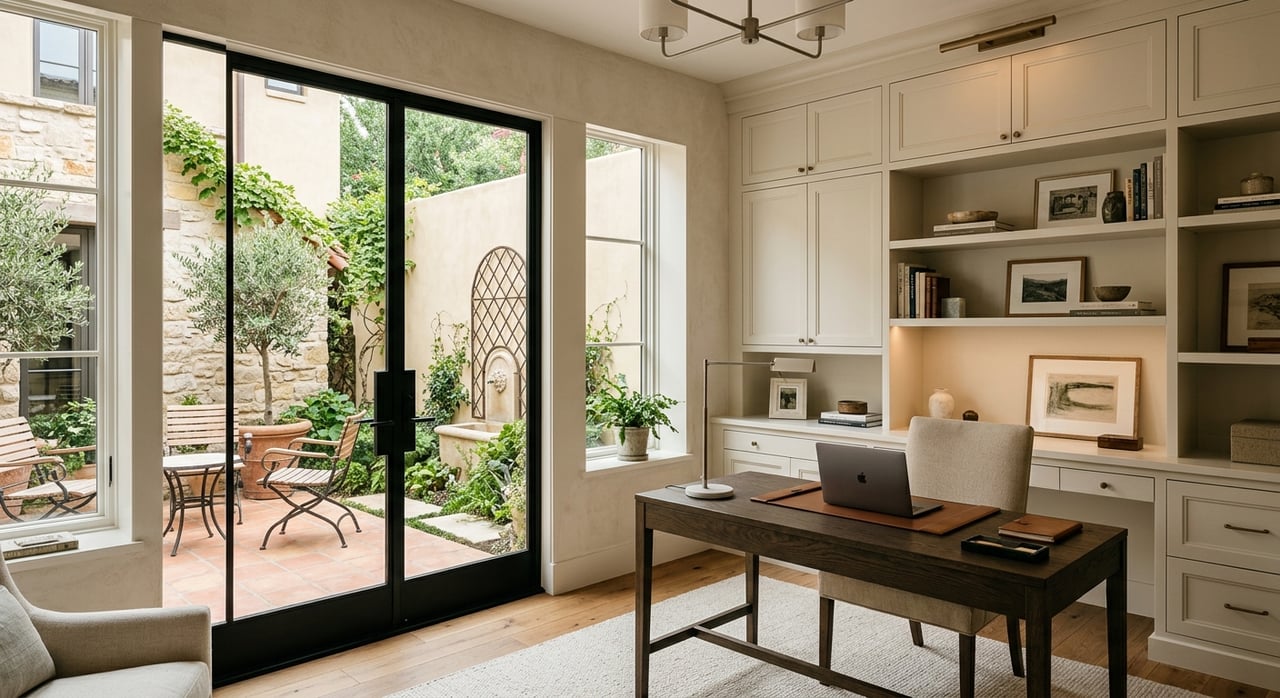
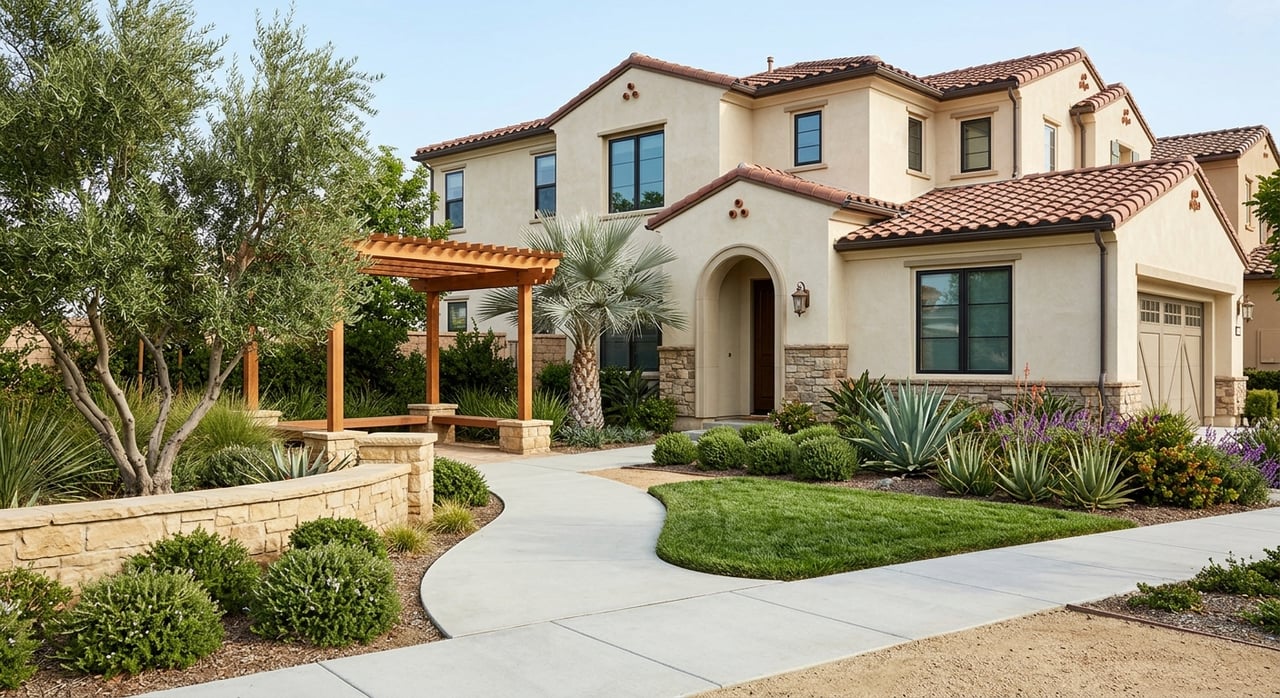
According to the National Register nomination, you will see an unusually rich mix of early 20th century styles: Bungalow and Craftsman bungalows, hip roof cottages, Mediterranean and Spanish Colonial Revival, Victorian including Queen Anne, and other revival types. Expect features like deep porches, original wood windows, plaster walls, built-ins, and a range of roof materials from shingles to clay tile.
Preservation rules and your remodel plans
The City of Orange runs an active Historic Preservation program and has adopted Historic Preservation Design Standards for Old Towne. Exterior work visible from the street is reviewed for consistency with these standards and the Secretary of the Interior’s Standards for Rehabilitation. That means changes that might seem cosmetic, like windows, fences, porches, visible solar, or roof profile shifts, can trigger design review. Learn more on the City’s Historic Preservation page for Old Towne.
Design review can extend your permit timeline, especially for visible exterior work. Plan your schedule with this in mind and request the seller’s prior permits and approvals during escrow so you know what has been reviewed before.
The Mills Act: potential tax savings
Orange participates in the Mills Act, a local historic property contract that can substantially reduce property taxes in exchange for a preservation plan and reporting. Eligibility and application windows change, and not every property will qualify. If a property already has a Mills Act contract, it transfers with the home at closing. Review the contract’s exhibits, including the Rehabilitation Plan, and discuss tax implications with your advisor and the County Assessor. Start with the City’s Mills Act information to understand current rules and timelines.
Inspections to prioritize during escrow
Historic homes are unique, so your inspection list should be too. Build these into your pre-offer planning or your contingency period.
Standard home inspection
Begin with a comprehensive home inspection to review systems, roof, visible structure, and safety items. Use the findings to set up specialty inspections.
Termite and WDO inspection
In California, termite and other wood-destroying organism inspections are separate from a general home inspection. Lenders often require a WDO report in escrow. Order a licensed inspection and search for existing filings through the state’s Structural Pest Control Board WDO database.
Electrical: legacy wiring check
Many Old Towne homes predate modern electrical systems. If knob-and-tube or early ungrounded wiring is present, insurers and lenders may require remediation. Obtain an electrician’s quote during contingency. National estimates suggest full rewires for older single-family homes can range from a few thousand dollars for partial work to the mid five figures for complete, invasive projects, depending on size, access, and panel upgrades. See typical ranges in this rewiring cost overview. Always rely on a local fixed bid for budgeting.
Plumbing: supply lines and drains
Older homes may still have galvanized or other legacy piping. If the home looks original, ask for a repipe evaluation and camera work where appropriate. Factor permit requirements into your plan.
Foundation and seismic safety
Raised foundations with crawlspaces are common in historic wood-frame homes. A structural engineer can identify whether bolting and cripple-wall bracing are needed. California offers periodic grants to help offset retrofit costs; the California Residential Mitigation Program has promoted brace-and-bolt grants for eligible pre-1980 homes. Check current program windows and ZIP code eligibility through the California Earthquake Authority’s grant program updates.
Lead paint and asbestos
Homes built before 1978 require federal lead-based paint disclosure, and you should plan testing before any paint-disturbing work. Hire EPA RRP-certified firms for renovation, repair, and painting in pre-1978 homes. Learn the basics of the rule in the EPA’s Lead Renovation, Repair and Painting Program. Asbestos-containing materials can be present in some older finishes and mid-century updates. If you suspect them, arrange sampling and use properly licensed firms for abatement.
Sewer lateral camera scope
In Orange, the private sewer lateral from the house to the main is the owner’s responsibility. A camera inspection can help you avoid costly surprises and secure realistic repair quotes. See the City’s code reference on private sewer laterals for ownership details.
Typical projects and ballpark budgets
Historic homes often need a mix of safety upgrades and sensitive restoration. Contractor quotes are essential, but these ranges help you plan.
- Electrical rewire and panel work. Full rewires in older houses can run from the low thousands to the mid five figures depending on size, wall access, and finish repairs. Start with an on-site bid and use national estimates for orientation.
- Seismic retrofit for raised foundations. Common scope includes foundation bolting and cripple-wall bracing. Smaller projects often fall in the low thousands, while more complex work can reach the mid five figures. Review cost drivers in this earthquake retrofit overview, then get a local engineer’s plan and contractor bids.
- Sewer lateral repair or replacement. Costs vary widely by length, depth, and trenching method. A camera inspection during contingency narrows scope and helps you secure competitive bids.
- Roofing. Composition shingle replacements are usually less expensive than tile. Roof complexity, material, and necessary sheathing or structural work drive budgets. Get written quotes from local roofers and factor design review for visible changes.
- Lead and asbestos testing or abatement. Testing is relatively affordable compared to abatement. Plan testing before demolition or sanding so you can hire the right certified professionals and budget accordingly.
Permits, timing, and design review
Work visible from the street is treated carefully in Old Towne. To avoid delays and rework, use this approach:
- Clarify what is visible. Windows, porch elements, front fences, roof form changes, and visible solar often require design review. Interior-only repairs usually follow standard building permits.
- Use the City’s standards. Align proposed work with the City’s Historic Preservation Design Standards and the Secretary of the Interior’s Standards.
- Gather the file. Ask the seller for all prior permits and design review approvals. This history helps you understand what is already approved and where you may need review.
- Budget time for review. Design review can extend permit timelines for exterior changes. Build this into your purchase and renovation calendar.
- Keep records. Save plans, approvals, and contractor warranties. These documents help with future work and add confidence for your next resale.
How to hire the right pros
Historic homes reward skilled hands. Set your team early.
- Verify licenses and certifications. Check contractor licenses and insurance and confirm specialty credentials when needed. For asbestos abatement, California uses the CSLB C-22 classification. You can review the C-22 licensing framework in the CSLB’s classification guidance. For lead-disturbing work in pre-1978 homes, insist on EPA RRP-certified firms.
- Choose people with historic experience. Ask for examples of plaster repair, window restoration, period trim, and porch reconstruction. Make sure contractors understand the City’s standards.
- Request phased, written scopes. Ask for pricing that separates visible repairs, likely concealed conditions with allowances, and change-order rules. This reduces surprises.
Buyer checklist for Old Towne Orange
Use this list to organize your escrow.
- Confirm historic status. Verify whether the property is a contributing resource in Old Towne’s National Register district. The nomination document outlines the district’s inventory and significance.
- Review permits and approvals. Request the seller’s building permits and any design review decisions for exterior work.
- Order specialty inspections. Schedule a licensed WDO inspection and search the state WDO database. Add focused electrical, plumbing, structural, and sewer camera inspections.
- Ask about environmental testing. Confirm any prior lead or asbestos reports. If none exist, plan testing before paint- or finish-disturbing work.
- Evaluate incentives. If the home is under a Mills Act contract, obtain the recorded agreement and Rehabilitation Plan. Discuss the contract and reporting with your advisor and the County Assessor.
- Build a realistic budget. Use local contractor bids for key items like electrical, seismic, and roofing. Add time for design review when planning exterior work.
Bringing it all together
Buying a historic home in Old Towne Orange lets you live with authentic Southern California architecture while preserving something rare. With the right inspections, a plan for design review, and experienced contractors, you can modernize wisely and keep the details that make the home special. If you want a partner who knows how to structure offers, navigate preservation steps, and coordinate a smooth close, we are here to help.
Thinking about a historic home near the Orange Circle or anywhere in Orange County and the Inland Empire? Connect with Heather Stevenson - The Stevenson Team to map your purchase strategy, line up inspections, and move forward with confidence.
FAQs
What makes a home “historic” in Old Towne Orange?
- Old Towne is a National Register district with a documented period of significance and an inventory of contributing properties, as outlined in the National Register nomination.
Do I need approval to replace windows in Old Towne Orange?
- If the windows are visible from the street, the City typically reviews replacements for consistency with Old Towne’s Historic Preservation Design Standards; check the City’s preservation page before you plan work.
What is the Mills Act and how does it help buyers?
- The Mills Act is a local contract that can substantially reduce property taxes for qualified historic properties in exchange for preservation commitments; details and timing are on the City’s Mills Act page.
Which inspections are most important for a historic home purchase?
- Prioritize a general inspection plus a licensed termite/WDO report, focused electrical and plumbing evaluations, a structural review for seismic needs, lead and asbestos testing if renovations are planned, and a sewer lateral camera scope; search the state WDO database for existing reports.
How much does a seismic retrofit usually cost for older homes?
- Costs vary with scope, but common brace-and-bolt work for raised foundations often ranges from the low thousands to the mid five figures; see typical drivers in this cost overview, and explore possible grants via the California Earthquake Authority’s program updates.
Who is responsible for the sewer line from the house to the street in Orange?
- The private sewer lateral is the homeowner’s responsibility; confirm condition with a camera scope and consult the City code reference on private laterals.