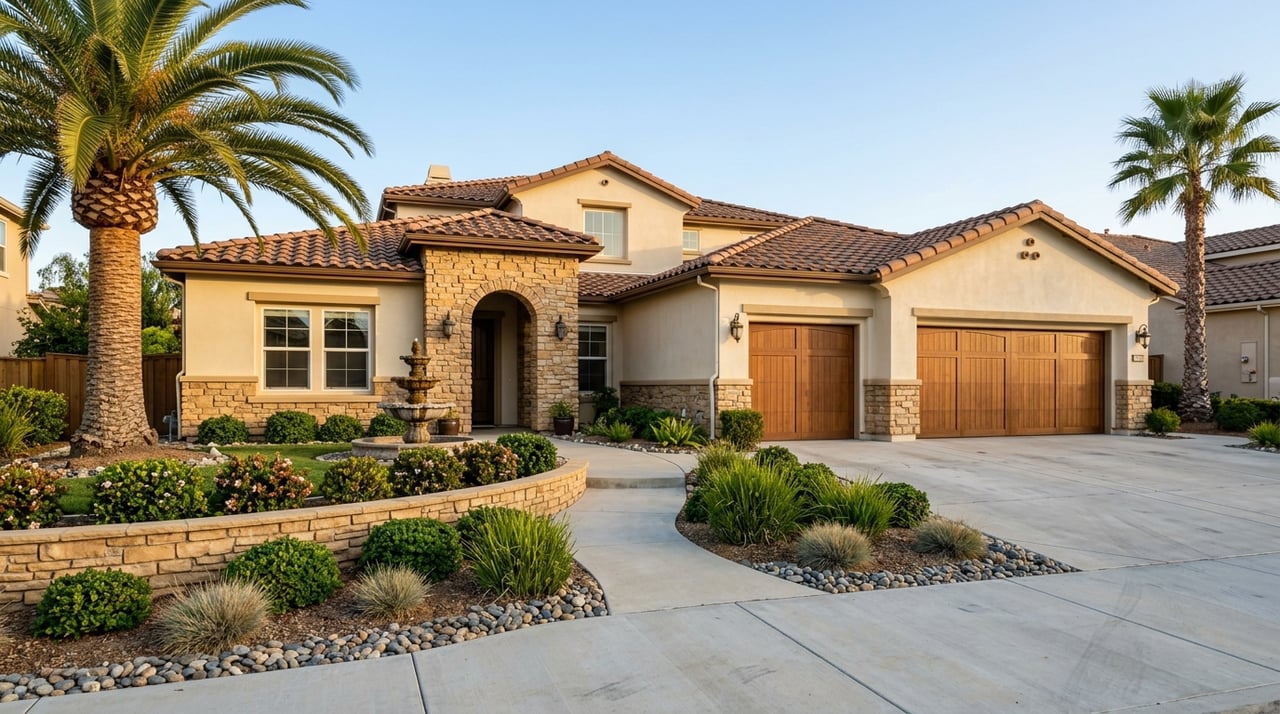
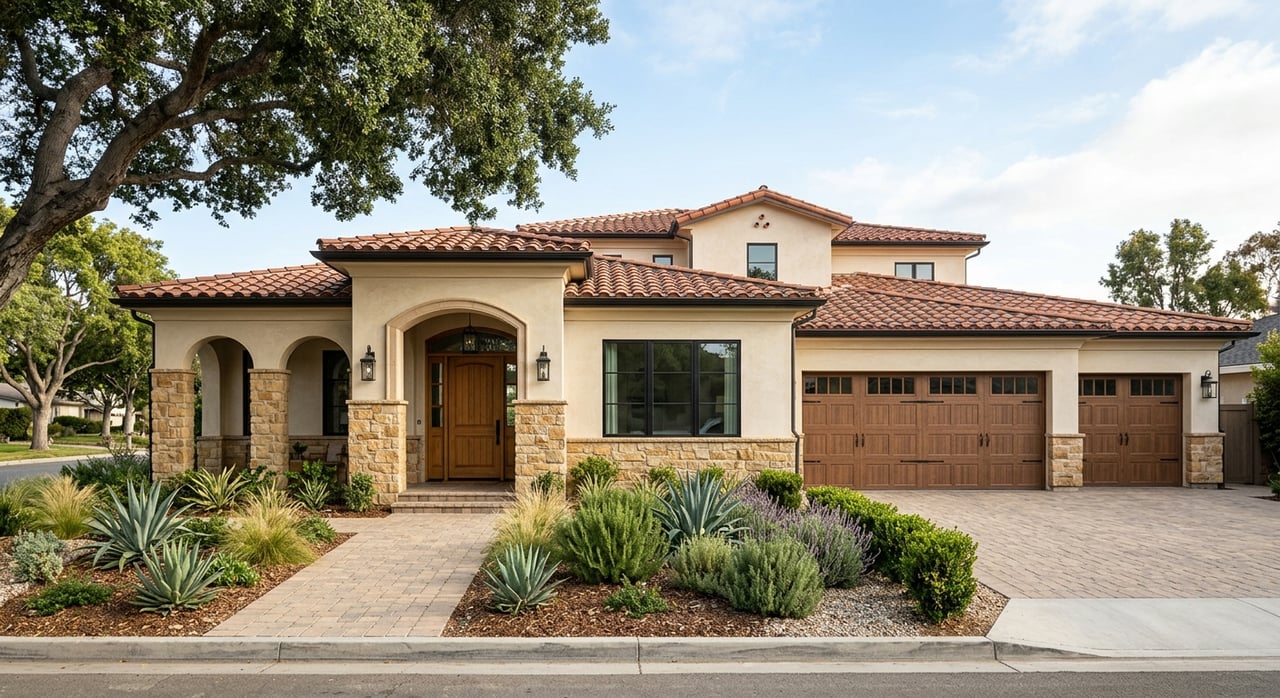
Shopping for a view home in Anaheim Hills can feel exciting and a little tricky at the same time. A beautiful ridgeline, canyon, or city-light backdrop may grab your attention fast, but the smartest buyers look past the photos and ask how that view will live day to day. If you want to buy with more confidence, this guide will help you evaluate comfort, privacy, resale potential, and hillside due diligence before you make an offer. Let’s dive in.
Why Anaheim Hills view homes stand out
Anaheim Hills is not just another suburban housing market. Anaheim’s General Plan describes the Hill and Canyon Area as a lower-density, semi-rural, and relatively uncongested part of the city known for scenic views and outdoor access. That setting is a big reason view homes here often carry strong buyer appeal.
The lifestyle piece matters too. Anaheim highlights access to places like Oak Canyon Nature Center, Deer Canyon Park Preserve, the Santa Ana River, and Anaheim Hills Golf Course. When you buy a view home here, you are often buying both a visual experience and a location that feels closely tied to the surrounding landscape.
Look beyond the listing photos
View homes are some of the easiest properties to overestimate online. Strong photography, drone shots, and twilight images can make a property feel more dramatic than it does in person. Since many buyers rely heavily on photos when searching, it is smart to treat the online presentation as a starting point, not the final verdict.
For a view property, you should verify the sightline from the spots that matter most to you. That could be the living room, kitchen, primary bedroom, patio, or backyard seating area. A wide-angle image may suggest a panoramic setting, but the real question is what you will actually see while living in the home.
Check which rooms truly capture the view
Not all view homes deliver the view where you want it most. Some homes have a great backyard outlook but limited views from the main interior living spaces. Others may showcase the view from upstairs bedrooms while the kitchen and family room face a side yard or neighboring roofline.
As you tour a home, pause in the rooms you will use every day. Stand at the kitchen sink, sit in the family room, and step into the primary bedroom and main outdoor areas. A premium view usually feels more valuable when it is visible from primary living spaces, not just one corner of the lot.
Consider sun exposure and daily comfort
A great view is only part of the experience. The home’s orientation can affect how comfortable the space feels throughout the day, especially in Anaheim Hills where sunlight can be intense. According to the U.S. Department of Energy, south-facing windows capture the most winter sun, north-facing windows tend to offer more even light, and east- and west-facing windows can bring more glare and summer heat.
In practical terms, that means a western-facing view may come with strong afternoon sun. A patio with beautiful sunset exposure might also feel too hot at certain times of year. When you visit, pay attention to heat, glare, and shade so you can judge whether the best view line also fits the way you want to live.
Outdoor living matters too
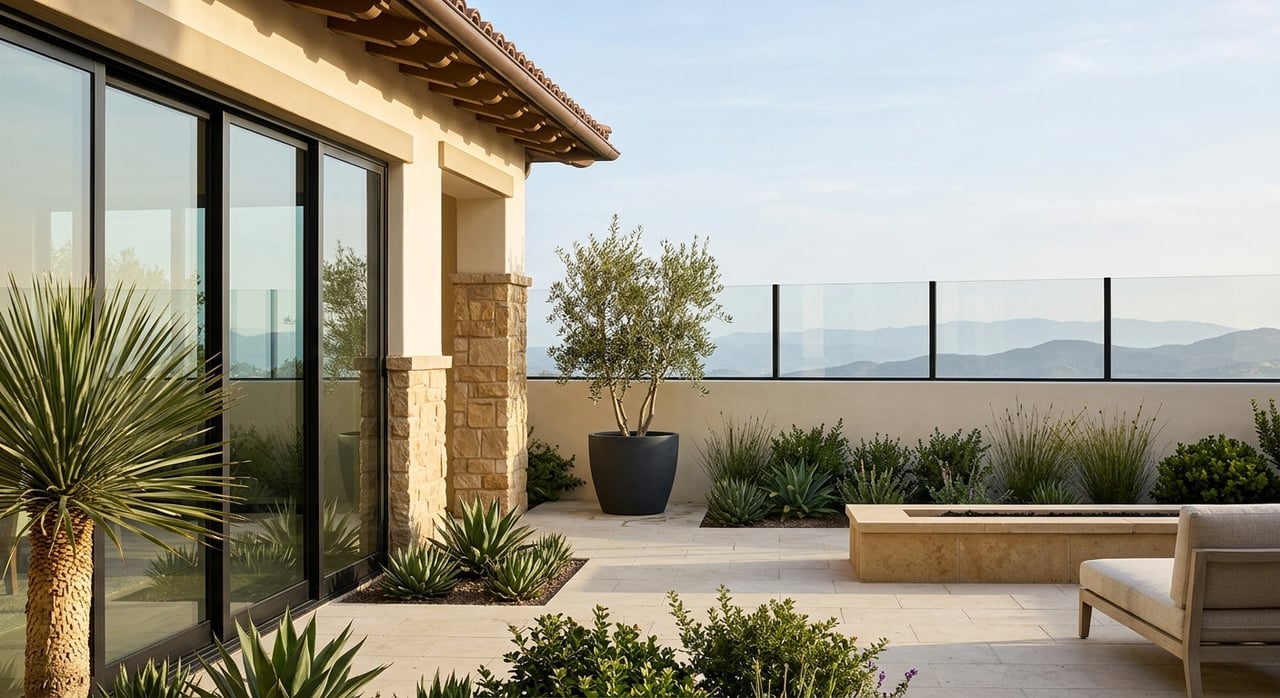
For many buyers in Anaheim Hills, outdoor space is part of the value of a view home. Decks, patios, and backyard seating areas often matter almost as much as the indoor sightline. If outdoor living is a priority, visit the home in person and think about how usable the space really feels.
DOE guidance notes that overhangs, awnings, trellises, and shade trees can improve comfort, especially with strong southern or western exposure. That does not mean every home will have the right setup already in place. It does mean you should look carefully at how much sun hits the yard and whether the space feels inviting for everyday use.
Ask how durable the view really is
One of the biggest questions with any view property is whether the view is likely to stay the same. In hillside areas, private views can be affected by existing structures, mature landscaping, and engineered slopes. Anaheim also uses specific plans and scenic-corridor standards that can influence development through rules tied to height, massing, setbacks, and roof-mounted equipment.
That does not guarantee your current view can never change. It does mean you should look beyond the current camera angle and study the surrounding lots. Neighboring elevations, rooflines, trees, and the potential for future redevelopment can all shape how secure your view feels over time.
Privacy and view often go together
A strong view is usually more enjoyable when it also feels private. City documents note that setbacks and landscaped areas can help improve screening and privacy. In real life, that means two homes with similar outlooks may feel very different depending on nearby windows, retaining slopes, and lot placement.
When you tour a property, notice sightlines in both directions. You are not just asking what you can see. You are also asking who can see into your yard, patio, or main living areas.
Take hillside and wildfire due diligence seriously
Buying in the hills comes with extra practical considerations. Anaheim advises residents in the hills to know their evacuation zone and routes because the area faces wildfire, earthquake, and hillside-runoff risk. That makes due diligence especially important before you move forward.
CAL FIRE says Fire Hazard Severity Zone maps are based on factors like vegetation, terrain, weather, fuel, and fire history. The State Board of Forestry also notes that defensible-space requirements apply in state responsibility areas and very high hazard zones. As a buyer, you should review the property’s mapped hazard context and ask what maintenance or clearance expectations may apply.
Understand what hazard maps do and do not mean
Hazard maps are useful planning tools, but they are not the same as an insurance decision. California’s insurance department says CAL FIRE hazard maps are for planning purposes, while insurers use their own catastrophe models for underwriting. In short, a map can help you understand risk context, but it does not tell you exactly how an insurer will evaluate a property.
That is why it helps to look at wildfire due diligence from two angles. First, understand the physical setting and preparedness requirements. Second, ask practical questions early about insurability and ongoing property upkeep so there are fewer surprises later.
Understand how the market values a view
A view is not just a nice extra in a sales listing. Appraisal guidance shows that appraisers and lenders are expected to identify and compare property characteristics such as view and location. That means a view can influence value, but only when comparable sales support that premium.
This is where buyers need to stay grounded. Broad studies from other markets show that view premiums can be meaningful, but those studies are not Anaheim Hills pricing benchmarks. In this market, the real issue is whether recent nearby sales support a premium for that exact type of view.
What tends to influence view value
In Anaheim Hills, the most defensible view premium is likely to depend on a few practical factors:
- How panoramic the view feels
- Whether the view is visible from main living spaces
- How private the setting is
- Whether future construction or tree growth could affect the sightline
- How similar nearby sales were priced and received by the market
A partial canyon peek and a wide, open ridgeline or city-light view are not the same product. Buyers often pay more when the view is both noticeable and woven into everyday living inside and outside the home.
Smart questions to ask before you buy
A view home can be a strong purchase, but only if you evaluate it from several angles. Before you make a decision, ask questions that help you understand both the enjoyment factor and the long-term practical side.
Here are a few of the most useful ones:
- Is the view oriented toward open space, or could a neighboring lot change the sightline later?
- Which rooms actually enjoy the view every day?
- How much afternoon sun reaches the patio, deck, or yard?
- What do neighboring rooflines, trees, and elevations suggest about privacy?
- Is the property in a mapped fire hazard area?
- What recent comparable sales best match this specific view type?
Why in-person evaluation matters most
With a view home, small details can change your opinion fast once you are on site. A photo may not show glare through the family room windows, a nearby second-story sightline, or how limited the view feels from the actual seating area. On the flip side, some homes look average online and feel far more impressive in person.
That is why timing matters too. If possible, visit at different times of day to check light, shade, and overall feel. A home that looks perfect at sunset may feel very different on a bright afternoon or early morning.
Buy the view with a plan
The right Anaheim Hills view home can deliver daily enjoyment, strong lifestyle appeal, and long-term value. The key is to balance emotion with careful review of orientation, privacy, hillside conditions, wildfire planning, and local comparable sales. When you do that, you give yourself a much better chance of buying a home you will still love long after move-in day.
If you are comparing homes in Anaheim Hills and want a clear, practical read on value, setting, and resale potential, connect with Heather Stevenson - The Stevenson Team. You will get responsive guidance backed by local market insight and a thoughtful, strategy-first approach.
FAQs
What should buyers check first when buying a view home in Anaheim Hills?
- Start with the actual sightline from the rooms and outdoor areas you will use most, then review sun exposure, privacy, neighboring elevations, and wildfire-related due diligence.
How does sun exposure affect an Anaheim Hills view home?
- Sun exposure can change comfort, glare, and heat throughout the day, especially for west-facing patios, decks, and large windows.
Can a view in Anaheim Hills be blocked later?
- Yes, a view can be affected by nearby structures, mature landscaping, rooflines, slopes, and possible future redevelopment, so buyers should study surrounding lots carefully.
Do appraisers consider the view when valuing an Anaheim Hills home?
- Yes, appraisers and lenders consider characteristics like view and location, but any premium should be supported by comparable local sales.
Why should buyers review wildfire conditions for an Anaheim Hills hillside home?
- Anaheim advises residents in the hills to know evacuation zones and routes, and hillside properties may involve wildfire risk context and defensible-space expectations depending on location.
Are listing photos reliable for Anaheim Hills view homes?
- They are useful for an initial impression, but drone shots, twilight images, and heavy editing can make a view feel different than it does in person, so on-site verification is important.