If you are eyeing Riverside for a single-family rental, it helps to start with one big truth: this is not a rock-bottom cash flow market. Riverside sits in the middle of the Inland Empire price range, which means your numbers need to work on more than headline rent alone. In this guide, you will get a practical look at pricing, rent, property types, local operating costs, and the features that matter most to renters so you can evaluate opportunities with more confidence. Let’s dive in.
Riverside rental market snapshot
Riverside is a mid-priced Inland Empire market, not a bargain entry point. Redfin reports a median sale price of about $640,000 in February 2026, while Zillow reports average rent of $2,335 as of March 31, 2026. Zillow also notes homes are going pending in about 27 days, which points to an active local market.
The city also has a large renter base that supports demand for practical, family-sized housing. Census QuickFacts shows Riverside had a 2024 population of 323,757, a median household income of $91,045, owner-occupied housing at 56.8%, median gross rent of $1,914, and an average household size of 3.21. Taken together, those numbers suggest that single-family rentals often fit the local market better than smaller units.
Why single-family rentals fit Riverside
Single-family homes make up a large share of Riverside’s housing stock. The city’s housing technical report says they account for about two-thirds of the local inventory, making them the most common property type in the city.
That matters if you are building or buying a rental portfolio. In a market with larger households and a heavy single-family housing mix, homes with practical layouts often line up well with what renters are already seeking.
Common home styles you may see
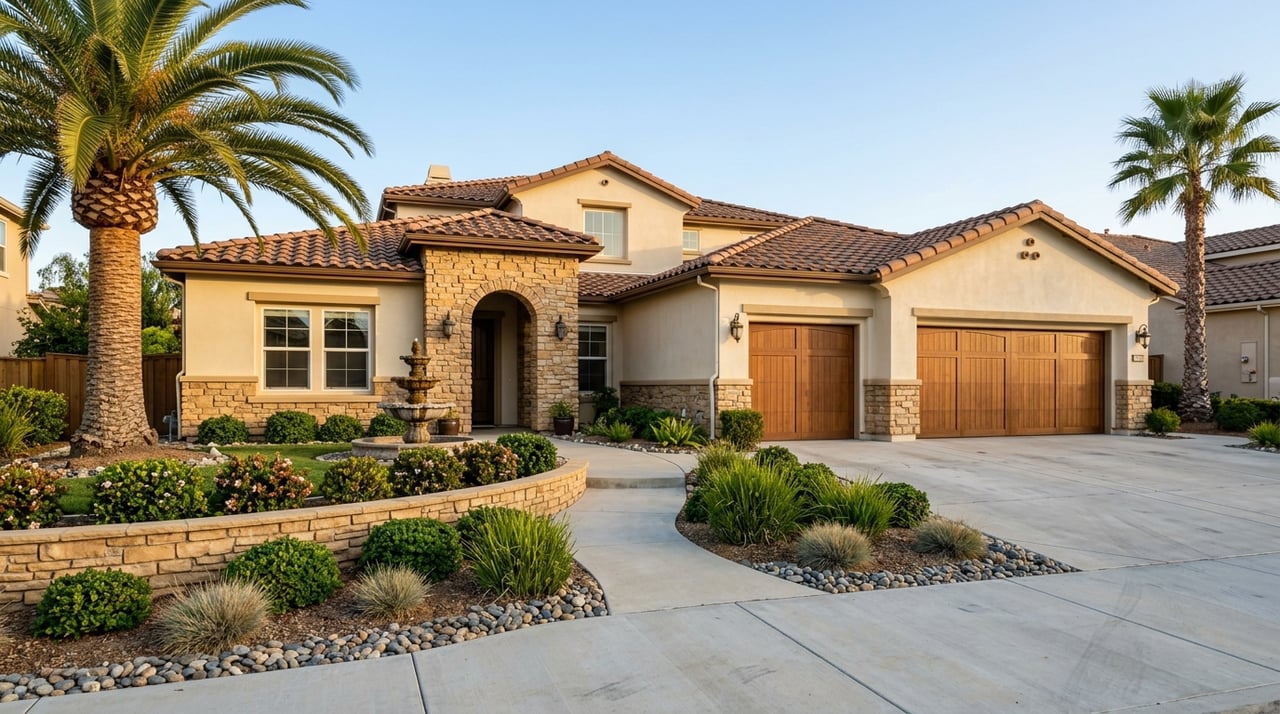
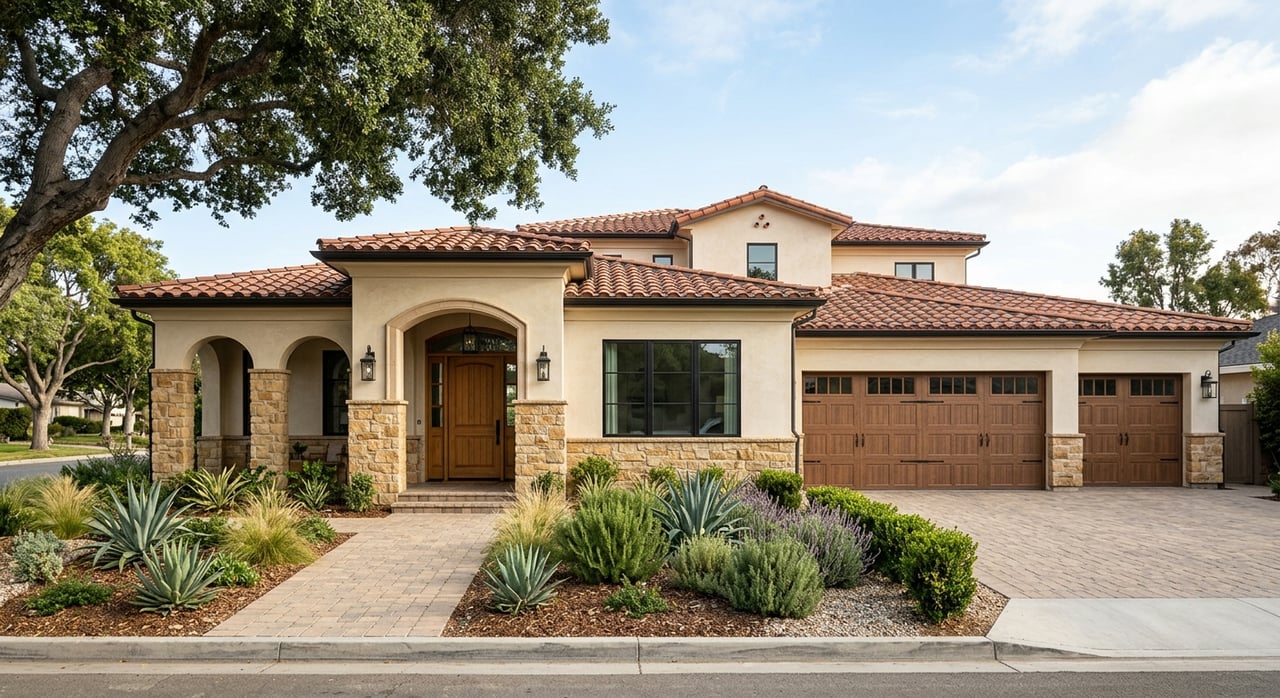
Riverside offers a broad mix of single-family inventory depending on the area. The city identifies examples such as early-20th-century homes and California bungalows in Casa Blanca, postwar single-family development in Magnolia Center, and a mix of medium-density homes, larger-lot areas, and newer master-planned housing in La Sierra, including Riverwalk.
For an investor, this means your search can include very different product types. You may be comparing an older home with character and deferred maintenance against a newer home with a more modern layout and possibly lower short-term repair needs.
What Riverside numbers say about returns
Riverside can work for investors, but it usually makes more sense as a middle-market play than a pure cash flow strategy. Using Zillow citywide averages, Riverside’s rough gross rent yield is about 4.3% based on a home value of $646,784 and average rent of $2,335.
That sits in the middle of a wider Inland Empire range. The same rough comparison puts Moreno Valley near 5.1%, Rialto near 5.6%, Fontana near 5.8%, and Corona near 4.2%. These are broad estimates only, since they use citywide averages rather than single-family-only comps and do not include vacancy, taxes, insurance, maintenance, or financing.
Practical takeaway on yield
If you are comparing Riverside to nearby cities, Riverside may not screen as the strongest option on gross-rent efficiency alone. The tradeoff is that it offers a large, established single-family housing base and a sizeable tenant population within a well-known Inland Empire market.
That is why investors often do better here by focusing on property selection and expense control. A good layout, usable lot, legal flexibility, and manageable operating costs can matter just as much as the purchase price.
Features that help a Riverside rental compete
In Riverside, the most marketable single-family rental features are usually practical rather than flashy. Based on the city’s household-size and housing-stock data, homes with three or more bedrooms, workable parking, usable outdoor space, laundry hookups, and reliable heating and cooling are likely to appeal to a broad tenant pool.
These features matter because they support everyday living. In a market with larger average households, function often wins over luxury upgrades that do not improve how the home lives day to day.
Why ADU potential stands out
One Riverside-specific value-add is accessory dwelling unit potential. The city states that most residential properties can add at least one ADU and one JADU, and it offers permit-ready plan sets in several sizes, including 746, 800, 1,020, and 1,200 square feet.
For investors, that can change how you evaluate a lot. A single-family home with enough space for a legal accessory unit may offer stronger long-term income potential than a similar house without that option.
What to look for on an ADU-friendly lot
Not every parcel will work the same way, but it is smart to pay attention to site layout early. Separate access, open yard area, and flexible placement options can all affect future usability and permitting potential.
If you are buying with an improvement plan in mind, this is one area where local guidance matters. Riverside’s permit-ready ADU program makes it easier to identify properties that could support added rental income over time.
Riverside operating costs to budget for
Many first-time investors focus heavily on mortgage payment and rent, but the monthly picture is wider than that. In Riverside, several city-level costs deserve a closer look before you close.
Property taxes are more than 1%
California property tax begins with Proposition 13’s 1% basic levy on assessed value. However, Riverside’s financial reporting notes that voter-approved debt and overlapping local rates are added on top of that base levy.
In plain terms, you should budget for more than the headline 1%. The exact amount will vary by parcel, so this is something to verify carefully during due diligence.
Business tax may apply to rental owners
The City of Riverside requires a business tax certificate for property owners engaged in rental real estate. The city’s FAQ also states that annual business taxes are due in advance, and residential owners with more than one rental unit are taxed on gross rental receipts from the rental properties.
That makes this an important item for small portfolio buyers. If you already own rentals or plan to scale, make sure you understand how this city requirement affects your operating budget.
Utility and refuse costs can add up
Riverside also imposes a Utility Users Tax on electricity, water, gas, and telecommunications, and it is collected through the utility bill. If you plan to cover any utilities for a tenant, this deserves a place in your projections.
City-served residential refuse rates effective July 1, 2025 are $39.75 for curbside or disabled service, $54.51 for driveway service, and $65.40 for backyard service. Riverside Public Utilities’ 2026 domestic electric schedule also includes a $14.93 monthly customer charge plus tiered energy charges, with Tier 1 at $0.1364 per kWh before seasonal and higher-usage tiers apply.
California rent rules to understand
If you are buying a rental in Riverside, you also need to understand California’s statewide tenant law framework. California Civil Code section 1947.12 limits covered rent increases to 5% plus CPI or 10%, whichever is lower, over any 12-month period.
California Civil Code section 1946.2 also adds just-cause rules after 12 months of lawful occupancy. These rules can affect how you plan rent adjustments and tenancy decisions.
Some single-family homes may be exempt
Many single-family homes and condos may be exempt from these rules if they are not owned by a REIT, corporation, or certain corporate-owned LLC structures and if the tenant receives the required written notice. The key word is may.
The exemption depends on both the ownership structure and the paperwork. That means investors should confirm documentation requirements carefully rather than assume a property is exempt.
How to evaluate a Riverside SFR deal
A practical Riverside rental review usually works best when you look at four things together: price, rent, expenses, and improvement potential. A deal that looks average on gross yield can still make sense if it has strong tenant appeal, lower surprise costs, or future ADU upside.
Here is a simple framework to use as you compare properties:
- Review the home’s likely rent against local averages and nearby rental comps.
- Check whether the layout fits Riverside’s practical renter demand, especially bedroom count, parking, and outdoor usability.
- Estimate parcel-specific property taxes, city business tax exposure, utility costs, and refuse service.
- Look for lot characteristics that may support a future ADU or JADU.
- Confirm whether the ownership structure and notices affect rent cap and just-cause rules.
Riverside investment outlook
Riverside can be a smart market for investors who want a stable, middle-market single-family rental in the Inland Empire. The city offers a large base of single-family homes, a substantial renter population, and ADU-friendly potential that can improve long-term flexibility.
The key is to stay disciplined. In this market, success often comes less from chasing a bargain and more from buying the right house, on the right lot, with a clear understanding of local costs and compliance.
If you are comparing Riverside single-family rentals or looking for an investment property with solid long-term potential, working with a local team can help you move faster and underwrite with more confidence. Connect with Heather Stevenson - The Stevenson Team for practical Inland Empire guidance on homes, neighborhoods, and investor opportunities.
FAQs
What is the average rent for a single-family rental in Riverside, CA?
- Zillow reports average rent in Riverside at $2,335 as of March 31, 2026, though actual rent for a single-family home will vary by size, condition, and location.
What is the median home price in Riverside, CA?
- Redfin reports a Riverside median sale price of about $640,000 in February 2026.
Are single-family rentals common in Riverside, CA?
- Yes. The City of Riverside says single-family homes make up about two-thirds of the city’s housing stock.
Can you add an ADU to a rental property in Riverside, CA?
- The city says most residential properties can add at least one ADU and one JADU, though property-specific feasibility and permitting still need to be verified.
Do Riverside rental owners need a business tax certificate?
- Yes. The City of Riverside requires a business tax certificate for property owners engaged in rental real estate.
Are Riverside single-family rentals subject to California rent caps?
- Some are, and some may be exempt. California Civil Code section 1947.12 applies to covered properties, while many single-family homes may be exempt depending on ownership structure and required written notice.
Is Riverside a high-cash-flow rental market?
- Riverside looks more like a middle-market rental city than a pure cash-flow play, with rough gross rent yield estimates around 4.3% using citywide average home value and rent data.